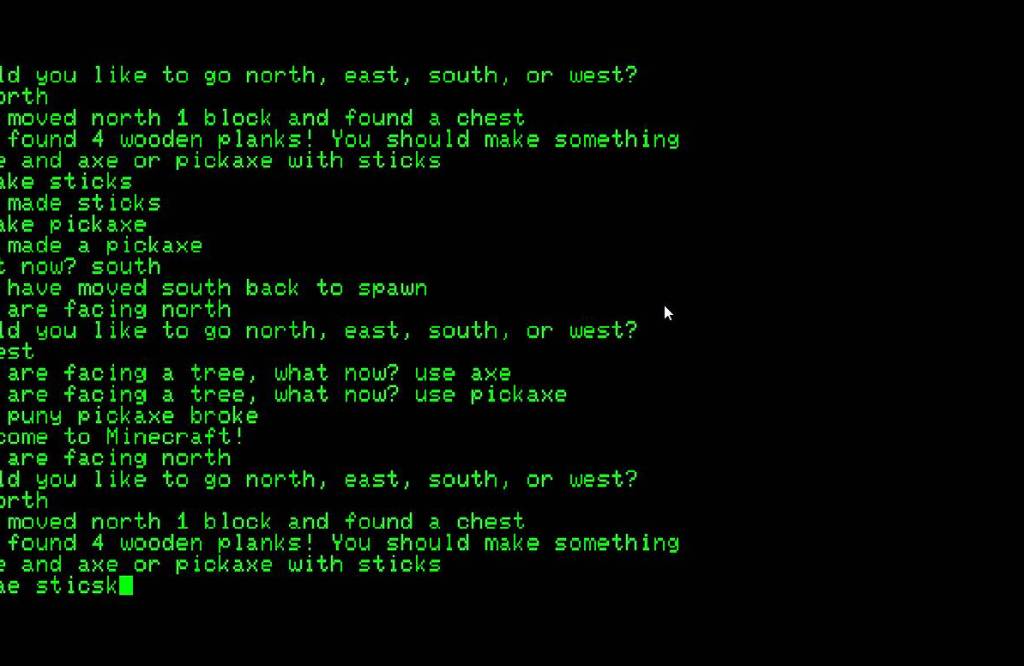
INTERACTIVE fiction is interesting in that they offer a uniquely immersive experiences. With technology constantly evolving, the ways someone can write a story has changed from the tried-and-true methods of yesterday. Recently, I had the chance to play two games that could be considered works of interactive fiction, but not in the traditional examples I’ve covered here in the past. That’s because both are made in more contemporary veins.
These two examples are Mr. Plimpton’s Revenge, which was written using Google Maps and the other, With Those we Love Alive, was created using the narrative engine of Twine. These two examples are the reason why I’m writing this post today. They both use methods presented to us in an everyday, cost-free context.
Mr. Plimpton’s Revenge is interesting because it’s a non-fiction piece using Google Maps as a catalyst for story-telling by clicking real location markers to experience the story. It’s such a different kind of interactivity due to its grounded nature. If one had the resources, they could visit these places.I can just imagine the kinds of adventures the character saw through their personal journey, and that’s the added joy of the piece.
While I have no doubt other interactive pieces have been inspired by real events, Google Map stories like these are interesting uses of a universal technology. Everyone has access to Google Maps, same with Twine, and through these technologies writing interactive narratives has never been easier.
Speaking of Twine, With Those We Love Alive is a piece of fantasy fiction where, again, its not the traditional norm I’ve experienced before. However, this piece does offer narrative choices throughout which impacts the story differently from play-to-play in dramatic fashion.
I have previous experience with Twine, but this is certainly one of the longer pieces I have encountered. Twine, by its nature, gives the creator the option to make a game as long and deep as they want it. With Those We Love Alive takes advantage of Twine’s capability of empowering the player with narrative choices. Twine also gives you the tools to implement item gathering, stat tracking, among other mechanics. While it takes longer to implement these in a satisfying manner, I do think its worth the additional depth it provides to the game.
Question of the post is, what are elements need to be present for a piece to be considered interactive fiction? I ask because while both of these pieces are different, clearly they are both examples of interactive fiction.
I hope to hear from you, dear READER.
 Delving into Wor(l)ds